
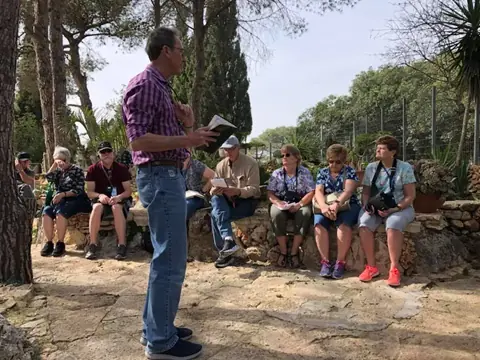
For most Christians, names like Galilee, Nazareth, and Gethsemane exist primarily on a page—cherished words read in quiet devotionals or discussed in Sunday morning Bible studies. We memorize the stories of Jesus’s ministry and map out His steps in our minds. But there is a monumental shift that occurs when a group steps off the bus and onto the actual terrain of Israel. Suddenly, geography replaces imagination, and those familiar biblical locations transform into real, tangible places you can touch, walk through, and experience together.
That is what makes a guided Christian tour to Israel so meaningful for pastors, clergy, Bible study leaders, worship teams, ministry groups, and congregations. The journey gives your group a chance to connect Scripture with the land, learn from knowledgeable guides, pray together, and share an experience outside the normal rhythm of church life.
For the pastor or ministry leader organizing the trip, it also creates a special opportunity to teach in places connected to the Bible while having professional support with the many travel details that come with leading a group overseas.
If you are planning a Christian pilgrimage to Israel, you probably have plenty of questions. What does a normal day look like? How much walking should your group expect? How does a tour guide work alongside a pastor? Will there be time for worship and Scripture? How much should you prepare before leaving home? Understanding these details can help you build a journey that feels meaningful, organized, and right for your ministry.
How a Guided Christian Tour Deepens Your Understanding of the Bible
One of the first things many Christian travelers notice in Israel is how much easier it becomes to picture the setting of familiar Bible stories. Maps, photographs, and sermons can teach you a great deal, but seeing the landscape gives those lessons another layer. You begin to understand the hills, valleys, roads, water, distances, and towns that form the background of so many passages.
For a pastor or Bible teacher, this can bring new depth to the way Scripture is taught. Imagine reading a Gospel passage beside the Sea of Galilee while your group looks across the water. Picture standing on the Mount of Olives and helping your congregation understand the geography of Jerusalem. These experiences give leaders visual details they can later bring into sermons, Bible studies, and church discussions after returning home.
This is one reason Christian trips to Israel can have such a lasting effect on congregations. The group gains a clearer picture of the land behind the Bible, and those memories can help Scripture stay vivid long after the tour has ended.
What Your Christian Group Can Experience in Galilee
Galilee is often one of the most anticipated parts of Israel for Christian tours because so much of Jesus’ ministry is connected to the region. Depending on the itinerary, your group may spend time around the Sea of Galilee, visit Capernaum, explore places connected with the teachings and miracles of Jesus, and visit other important Christian sites throughout northern Israel.
This part of the journey can offer pastors many natural opportunities to teach. A group may gather near the water for a Scripture reading, talk about the disciples’ calling, or discuss the ministry of Jesus while looking at the landscape where many Gospel events took place. A guide can provide historical and geographical context, while the pastor connects those details to the group’s spiritual focus.
The pace also matters. Trips to Israel for Christians should allow enough time to absorb what they see. A few extra minutes for a devotional, group discussion, quiet reflection, or photographs can make a major difference in the experience. The strongest itinerary creates enough structure to see important places while still leaving room for moments that naturally develop along the way.
Experiencing Jerusalem Through Scripture and History
More than just a prominent name in Scripture, Jerusalem is a sacred crossroads of faith that holds timeless reverence for both the Jewish people and the Christian Church. For early believers, it was the birthplace of the Church and the literal ground of Jesus’s ministry, crucifixion, and resurrection. Seeing the Holy City for the first time connects modern travelers directly to those ancient roots, turning familiar Sunday sermons into a tangible reality.
A guided Christian tour may include time on the Mount of Olives, visits to areas associated with Gethsemane, walks through the Old City, and stops at Christian sites connected to the final days of Jesus. Each location offers the group another part of the larger story, while an experienced guide can help explain the city’s history, geography, traditions, and changes over the centuries.
Jerusalem can also be a place where leaders want to give the group more time to reflect. A pastor may choose to read Scripture at a meaningful location, lead a short devotional, or allow several minutes for personal prayer. Building this space into the itinerary can help the group experience Jerusalem with greater focus and avoid making the day feel like a race between sites.
What a Typical Day on a Christian Israel Tour May Look Like
For first-time group leaders, understanding the tour’s daily rhythm can make planning much easier. While every itinerary is different, many days begin with breakfast at the hotel before the group heads out with its driver and guide. The morning may include several biblical, historical, or cultural sites, followed by lunch and additional visits in the afternoon. Travel between locations also gives the guide time to explain the area, introduce the next stop, or provide historical background that helps the group understand what they are about to see.
Most days involve a fair amount of walking, and some sites may include stone streets, stairs, slopes, or uneven paths. Comfortable walking shoes, water, sunscreen, and a small day bag can make the experience much easier. Pastors and group organizers should share these practical details before departure, so travelers know what to expect and can prepare for the pace of the journey.
Prayer, worship, Scripture readings, and teaching can also be part of the day, but these moments are easier to enjoy when they are planned into the itinerary. If your pastor wants to lead a devotional at a certain site, a worship team hopes to sing together, or the group needs more time for Scripture and reflection, those priorities should be discussed while the schedule is being built. Planning ahead gives the group enough time for these experiences without feeling rushed toward the next stop.
Evenings may include dinner at the hotel or another planned location, followed by free time, conversation, or preparation for the next day. Some groups prefer fuller days, while others benefit from a slower rhythm. The right balance depends on the group, which is why the itinerary’s pace matters just as much as the list of places to visit.
What Your Christian Tour Guide Adds to the Journey
A knowledgeable guide can also help the group understand the Israel they are traveling through today. Between biblical and historical sites, travelers will see modern cities, neighborhoods, communities, markets, and everyday life. That added context can give the group a fuller understanding of the country while keeping the journey connected to its Christian focus.
For pastors and ministry leaders, having that professional support can also make the trip much easier to lead. You already have an important role. Your attention is on your congregation, the spiritual purpose of the journey, group needs, prayer, teaching, and the overall experience. A strong guide and tour team can focus on the group’s daily movements and help keep the itinerary organized.
The relationship between pastor and guide can be especially valuable. The guide can explain geography, history, archaeology, and local context, while the pastor brings the group’s ministry perspective and connects the experience with Scripture. When both roles work well together, each stop can become more useful and meaningful for the travelers.
What Pastors Should Prepare Before the Group Leaves
A successful Christian group tour begins before everyone reaches the airport. Pastors and group organizers can help travelers feel more confident by holding a pre-trip meeting, walking through the itinerary, answering common questions, and explaining the purpose and rhythm of the journey.
Spiritual preparation can begin early as well. Some pastors choose Bible passages connected to the places the group will visit and encourage travelers to read them before departure. Others create a simple reading plan or hold a Bible study leading up to the trip so the group arrives with greater familiarity with the places they will experience.
Clear communication before departure can also prevent confusion later. When travelers understand how the tour will work and what the group hopes to gain from the journey, they can arrive better prepared to take part in the experience.
What Should a Pastor Look for When Choosing a Christian Israel Tour?
Choosing the right tour partner is one of the most important decisions a ministry leader will make during the planning process. When pastors compare the best Christian tours of Israel, they should look beyond the number of sites on the itinerary and consider how well the entire journey will support the needs of their group.
Start with the itinerary. Does it include the biblical places that matter most to your congregation? Is there enough time at major sites? Can the schedule include teaching, prayer, or worship at the times when they matter most? Pastors should also look closely at the pace of the itinerary. A schedule may include many important sites, but the group still needs reasonable time for meals, transportation, teaching, rest, and meaningful time at each location.
Leaders should also ask about the people and services behind the trip. Consider the guides’ experience, the location and quality of accommodations, transportation between sites, meal arrangements, and the flexibility available for groups with specific needs. These details can have a major effect on how smoothly the journey runs from day to day.
Communication is equally important. A pastor should know who will answer questions during the planning process, who the group can turn to while traveling, and how unexpected changes will be handled once everyone is in Israel. Clear communication and dependable assistance allow the group leader to spend more time focused on the people they are leading and the purpose of the journey.
A Custom Israel Tour Can Reflect the Purpose of Your Ministry
Every church group comes to Israel with different goals. One congregation may want to spend more time following the life and ministry of Jesus through Galilee and Jerusalem, while another may be especially interested in biblical history, archaeology, or particular places their pastor has been teaching about at home.
A custom Israel tour allows the itinerary to be shaped around those priorities. Leaders may choose to spend more time in certain regions, add sites that are especially meaningful to their congregation, adjust the pace of the journey, or build the number of touring days around what works best for their group. This can be especially helpful when a standard itinerary includes stops that are less important to the trip’s purpose or moves too quickly through places the group wants to explore more deeply.
Before deciding on the route, pastors and group organizers should ask one important question: What do we want our group to carry home from this journey? That answer can help guide decisions about where to go, how long to spend in each area, and which experiences deserve the most time. A clear purpose makes it easier to build an itinerary that feels connected to the ministry leading it.
What Your Group Can Take Home From the Journey
The value of the journey can continue long after the group returns home. Members may read familiar Bible passages with a clearer picture of the places described, while pastors can draw on what they saw and learned as they prepare future sermons or Bible studies.
The experience can also continue within the wider church. Travelers may share photographs, stories, and lessons with members who were unable to join the tour, bringing part of the journey back to the congregation. In this way, the impact of the trip can extend beyond the people who traveled and continue through future teaching, study, and ministry.
Plan Your Christian Israel Tour With Coral Travel & Tours
For pastors, clergy members, ministry leaders, and church organizers, bringing a group to Israel carries a great deal of responsibility. You are choosing the places your group will experience, the pace of the journey, and the setting for many moments of teaching, prayer, fellowship, and discovery. Having an experienced travel partner can make that responsibility much easier to manage.
Coral Travel & Tours helps Christian leaders plan Christian tours in Israel tailored to their ministries’ needs and goals. Whether you are organizing your first Christian pilgrimage to Israel, researching trips to Israel for Christians, comparing Israel tours for a congregation or Bible study group, or creating a custom Israel tour with specific ministry priorities, our team can help you bring the pieces of the journey together.
Your group deserves an itinerary that gives them time to learn, worship, connect, and experience the land with purpose. Coral Travel & Tours can help with travel planning while you focus on preparing and leading the people God has placed in your care.
Contact Coral Travel & Tours today to start planning a Christian journey to Israel that your church or ministry group can experience together and remember for years to come.